
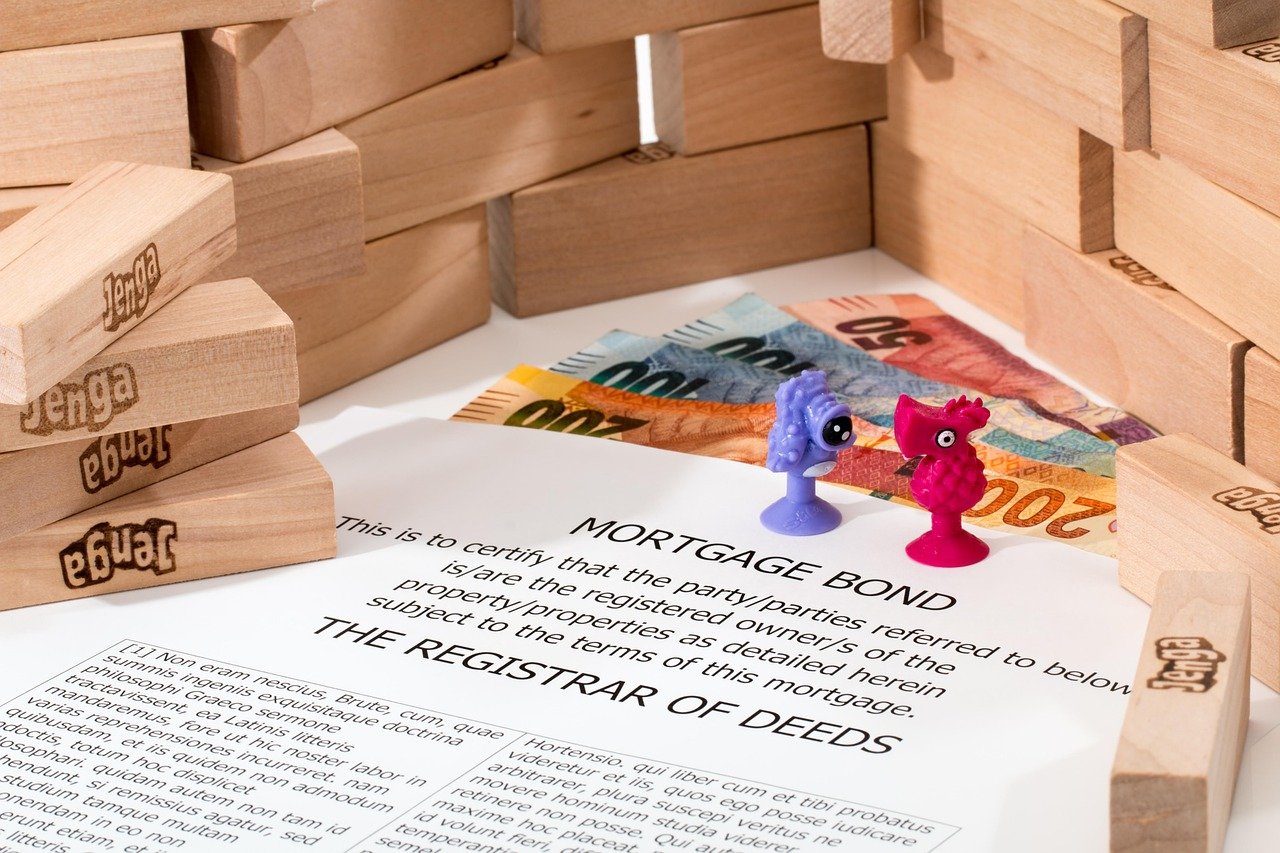
?Have you noticed how buying a house feels like an endless small thunderstorm of emotions—bright excitement one minute, sudden panic the next?
The Quiet Truths of a Homebuyer’s Heart
You carry a catalog of hopes and worries when you start a home search. You imagine Sunday mornings in a sunlit kitchen, a yard where a dog might run, an address that feels like permission to belong. At the same time you study Zillow listings with a math teacher’s attention and a poet’s hunger, you use a mortgage calculator late at night, wondering if numbers will snuff the glow. This is both real estate education and personal archaeology: you map what you can finance, what you can accept, and what you quietly need.
This article maps the emotional stages you will likely move through, why they arise (the homebuyer psychology behind them), and how to keep calm and steady—especially if you’re a first-time homebuyer. I’ll also cover external forces that tug at your feelings, practical strategies for budgeting and the offer process, how to handle inspections and closing, and ways to manage buyer’s remorse. Along the way there are brief case studies from fellow buyers so you know you are not alone.

The 7 Emotional Stages Every Homebuyer Goes Through
You will not move through these like clockwork. You may revisit stages in different orders. Still, many buyers describe recognizable pulses of feeling. Below each stage I explain the psychology and give a short strategy to steady yourself.
1) The Anticipation — The Serotonin Rush of Showings
You feel a bright flutter when you first imagine a home: the serotonin rush when a listing on Zillow pops up and the photos look like a promise. You scroll, bookmark, text your agent. Anticipation is hope made visible.
Why it happens: anticipation is motivation. It helps you begin the home search and sustain energy through tedious steps.
How to manage it: harness the surge by making prioritized wish lists and realistic budgets. Use a mortgage calculator early to translate excitement into numbers so your hope has practical legs.
2) The Optimistic Daydream — Imagining Homeownership
You picture holidays, routines, and identity. Homeownership is not only financial commitment but an emotional settlement: claiming a place in the world.
Why it happens: emotional decision-making elevates meaning over cost; you are buying a life, not merely square footage.
How to manage it: balance dreams with constraints. Write down must-haves versus nice-to-haves and revisit them before making offers.
3) The Sticker Shock — Financial Limits Bite
You see a property and then the numbers: down payment, monthly mortgage, property tax. The dream meets financial limits, and your chest tightens.
Why it happens: cognitive dissonance between desire and reality produces stress. You feel the weight of financial commitment.
How to manage it: re-run the math with a mortgage calculator, factor in closing costs and future maintenance, and consult a lender for pre-approval to see what you truly qualify for.
4) The Confusion Spiral — Decision Fatigue Sets In
Too many listings, too many choices, too many edits of your search filters. You second-guess everything and feel paralyzed.
Why it happens: decision fatigue is real—your brain’s ability to make high-quality choices erodes with each new option.
How to manage it: impose limits—set a daily or weekly number of showings, use checklists, and lean on your real estate agent to filter options based on your established priorities.
5) The Gut-Punch of Competition — Offer Pressure and Fear
You lose a house to a higher bid or multiple offers. The competition in the housing market sharpens anxiety. You feel rushed into decisions you promised yourself you’d avoid.
Why it happens: scarcity mindset and fear of missing out push you toward emotional decision-making and possibly overreaching beyond your financial limits.
How to manage it: decide in advance how high you’ll go, use escalation clauses carefully, and remind yourself that timing the market rarely guarantees happiness—timing your life usually matters more.
6) The Home Inspection Jolt — Fear and Doubt
Inspection reports arrive like verdicts. Problems no one noticed in staged photos now read as looming expenses. Fear and doubt creep in.
Why it happens: you move from imagined to tangible obligations; uncertainty about future repair costs triggers protective instincts.
How to manage it: get a trusted inspector, budget for contingencies, and negotiate repairs or credits in the offer process instead of walking away in panic.
7) The Closing and Aftermath — Joy, Relief, and Buyer’s Remorse
Closing day is a complicated knot: relief, a final serotonin burst, and sometimes a quiet remorse—what if you should have waited or chosen differently?
Why it happens: the finality of the closing amplifies all previous emotions. Once the financial commitment is sealed, doubt can rise.
How to manage it: take time to celebrate small milestones, unpack gradually, and use practical steps—schedules for repairs, a plan for decorating—to regain a sense of control if remorse appears.
Homebuyer Psychology: Why You Feel What You Feel
You are not irrational for feeling volatile; you are human. Buying a home blends identity, scarcity, and large financial stakes. Emotional decision-making increases when stakes are high and information is incomplete. Social cues—friends buying, Zillow price alerts, a real estate agent’s optimism—shape expectations. When you face competition in the housing market, your amygdala signals urgency, your frontal cortex sometimes folds under the pressure, and decision fatigue grows.
Several psychological forces at play:
- Anticipation and reward systems (serotonin rush): showings produce quick emotional rewards.
- Loss aversion: fear of missing a home can push you to overbid.
- Decision fatigue: too many choices reduce decision quality.
- Social comparison: watching others buy can increase impatience or impulsive moves.
- Anchoring: initial list prices can anchor your sense of value wrongly.
Recognizing these patterns lets you set guardrails—pre-approved budgets, checklists, cooling-off plans—so emotions inform rather than dictate choices.
External Factors That Shape Your Emotions (and How to Address Them)
You’ll find your moods reacting not only to listings but to forces outside the house: interest rates, local school reports, job security, family needs, natural disasters, or a changing neighborhood. These external factors can amplify stress or soothe it.
- Interest rates and mortgage availability: rising rates reduce affordability and cause panic; falling rates create urgency to lock in a loan. Keep a trusted lender who explains scenarios and uses a mortgage calculator to show monthly impacts.
- Job changes or family growth: a new job across town or a baby on the way transforms priorities—reassess timing and neighborhoods.
- Market cycles (buyer’s market vs seller’s market): in a buyer’s market you may have more bargaining power and less heartache. In a seller’s market, brace for competition in the housing market and set clear limits.
- Public health and climate events: external crises can make timing the market impossible and intensify the need for mental health support.
How to address them:
- Separate what you can control (budget, inspection) from what you can’t (rates). Accepting this reduces emotional whiplash.
- Keep a short list of non-negotiables that align with life plans rather than market fluctuations.
- Seek professional advice early—financial advisors, real estate agents, and therapists can steady you.
Practical Steps: Budgeting, Down Payment, and Using Tools
You will need both spreadsheets and reassurance. Use the tools available and pair them with small rituals that reduce stress.
- Budget: Do a zero-based budget that includes mortgage, insurance, property taxes, utilities, upkeep, and an emergency fund. A simple table helps:
| Item | Typical Percentage/Amount |
|---|---|
| Down payment | 3–20% of purchase price (depends on loan type) |
| Monthly housing (PITI) | Aim for ≤30–35% of gross monthly income |
| Emergency fund | 3–6 months of expenses |
| Closing costs | 2–5% of purchase price |
| Home maintenance | 1–3% of home value annually |
- Down payment: Explore programs for first-time homebuyers and down payment assistance; a lower down payment increases monthly costs and possibly PMI (private mortgage insurance), which you should include in calculations.
- Mortgage calculator: Use an online mortgage calculator to experiment with interest rates, terms (15 vs 30 years), and down payment sizes to see how each decision affects monthly life. Keep a printout or screenshot to remind yourself of rational limits during bidding wars.
- Financial limits: Decide on an absolute maximum and a “comfort price” below that. Respect the comfort price more than the maximum; regret often follows purchases made under pressure.
The Offer Process and Working With a Real Estate Agent
Offer-making is where emotion and law intersect. A thoughtful agent protects you from emotional overreach and guides negotiation tactics.
- Offer process basics: Pre-approval from a lender strengthens your offer. Contingencies (inspection, appraisal, financing) are your safety nets. Earnest money signals intent but is part of your risk calculus.
- Role of the real estate agent: A good agent filters listings, advises on offer strategy, provides market comps, and negotiates repairs. Choose someone who listens to your emotional concerns and counters panic with data.
- Navigating competition: In a tight market, consider escalation clauses or personal letters, but weigh these against financial limits and emotional readiness.
Home Inspection, Repairs, and the Closing Process
Inspection is a mirror: it shows what you didn’t know you were inheriting. The closing process folds in many small decisions that collectively make a large commitment.
- Home inspection: Hire a qualified inspector. Expect to receive a report that lists immediate and future concerns. Use reports to renegotiate or request repairs—don’t let fear alone drive you to withdraw unless problems exceed your tolerance and budget.
- Negotiations after inspection: Common outcomes include seller repairs, credits at closing, or adjusted sale price. Revisit your inspection priorities: safety and structural issues are higher-weight than cosmetic complaints.
- Closing process: During closing you’ll sign documents transferring ownership and agreeing to the mortgage. Be aware of closing costs and the finality of the financial commitment. Have a checklist for last-minute contracts, utilities, and insurance.
Coping with Home-Buying Stress: Mental Health, Resources, and Methods
You should attend to your mental health with the same diligence you give inspections and finances. Buying a home is a marathon of small anxieties more than a single event.
- Recognize stress symptoms: sleeplessness, eating changes, irritability, decision fatigue. These are common and manageable.
- Mental health resources: therapists, support groups, online cognitive-behavioral apps (CBT), and mindfulness programs can help. If the process triggers severe anxiety, seek professional help promptly.
- Coping strategies:
- Schedule decision-free windows for rest.
- Use routines: morning walks, short meditation, or journaling to process feelings outside of the home search.
- Share responsibilities: lean on your real estate agent, partner, or trusted friend for practical tasks.
- Use small rituals to mark progress (a celebratory coffee after an accepted offer) so you anchor positives amid stress.
Strategies Specifically for First-Time Homebuyers
You will benefit from extra structure and support if this is your first purchase.
- Education: Attend seminars (many lenders and community organizations offer them), read local market reports, and use tools like a mortgage calculator to translate terms into dollars.
- Pre-approval before house-hunting: This avoids heartbreak and clarifies your financial limits from the start.
- Grants and assistance: Research first-time buyer programs, local down payment assistance, and favorable loan types (FHA, VA, USDA if eligible).
- Team assembly: Find a patient real estate agent, a trusted lender, and a home inspector you can consult early.
- Practice offers: Ask your agent to run hypothetical offers so you’re not making major decisions on the fly.
Managing Buyer’s Remorse
If doubt follows signing, you are not unusual. Buyer’s remorse can be a mix of fatigue, uncertainty, or simple exhaustion.
- Immediate steps: Create a practical plan—prioritize immediate repairs or changes, and list positive reasons you chose the home to counteract negative spirals.
- Cognitive tools: Reappraise decisions by writing pros and cons and revisiting your budget. Accept that no home is perfect.
- Social tools: Talk to other homeowners; hearing normalizing stories reduces isolation.
- If remorse is primarily financial, consult a financial advisor. If it’s emotional, consider therapy or structured support.

Case Studies: Three Homebuyers’ Quiet Truths
These short testimonials show typical emotional arcs and coping strategies. Names are changed.
-
Maria, 29, teacher (first-time buyer): You found a condo after months of scrolling Zillow. The serotonin rush led to offer inflation until your agent reminded you of your comfort price. You paused, recalculated with a mortgage calculator, and lost one home but gained peace when you won a later offer within your budget. Lesson: pre-set limits protected your financial future.
-
A.J., 42, single parent (sold to buy): Selling your old house to buy a new one created a double stress loop—selling process nerves and fear about finding the right school district. External factors—an unexpected change in interest rates—shifted your plan. You leaned on a trusted agent and a therapist; you accepted a slower closing to preserve your mental health. Lesson: timing the market was less important than timing your family’s needs.
-
Ruth and Sam, retirees (downsizing): You felt unexpected remorse after closing—what if you missed a community? You dealt with it by creating a transition plan: phased downsizing and regular check-ins with friends. You used the move as a chance to reconnect rather than to mourn old rooms. Lesson: rituals and gradual transitions soften regret.
Timing the Market vs Timing Your Life
You will hear the aphorisms: “Buy low, sell high,” or “Wait for the market to cool.” Timing the market is tempting but often futile. More reliable is timing your life: secure financing, ensure job stability, and choose a home that suits your present and near-future needs. When competition in the housing market is fierce, anchor decisions in personal thresholds rather than market FOMO.
When Selling Is Part of the Plan
If you’re selling to buy, you inherit two emotional processes: the selling process and the buying process. That can double stress.
- Sequence strategy: Decide whether to sell first or buy first based on market conditions and your tolerance for risk. In a buyer’s market, selling first can let you buy with cash; in a seller’s market, buying first can make securing a purchase easier but riskier financially.
- Emotional strategy: Treat selling as a separate short-term project with clear timelines. Use a checklist for staging, pricing, and showings to reduce anxiety.
Final Practical Checklist Before You Submit an Offer
- Pre-approval letter from a lender (not just pre-qualification).
- Clear budget with maximum and comfort price.
- Home inspection plan and contingency clauses in your offer.
- Estimate for closing costs and moving expenses.
- Plan for post-closing: utilities, insurance, renovations.
- Mental health plan: scheduled breaks, a support person, and a stress-management technique.
Gentle Words About Risk, Regret, and Resilience
You may find yourself oscillating between fierce optimism and a low whisper of regret. Both are natural. The quiet truth is that homeownership is as much about adaptation as it is about security. Your home will require work—financial and emotional. If you enter with reasonable budgets, a trusted team, and an awareness of your emotional stages, you will navigate the shocks with less damage and more wisdom.
Remember: buying a house is not a single test but a sequence of choices. Each choice can be informed by practical tools (Zillow, mortgage calculator, a good agent) and by small rituals that protect your mental health.
Case for Professional Support
You are allowed to ask for help. A real estate agent, a mortgage broker, an inspector, and a therapist each play distinct roles. Agents translate market data into strategy, lenders clarify financial commitment, inspectors convert mystery into a repair list, and therapists help you keep perspective when decision fatigue dulls your judgment.
Small Rituals That Make a Big Difference
- Limit your decision window: no more than three showings a day.
- Create a “decision pause”—sleep on major bids for 24 hours.
- Keep a joy list: photos or notes about why a home appeals on a humane level.
- Schedule weekly non-home-search time to restore perspective.
Closing Thoughts
Buying a home is tender and practical work combined. You will feel bursts of intense feeling—anticipation, disappointment, relief—and sometimes a slow, quiet joy that arrives only after boxes are unpacked. If you learn the emotional stages, prepare financially, rely on professionals, and keep your mental health in view, you will be better equipped to make choices that both honor your heart and protect your future.
Frequently Asked Questions
What is the 3 3 3 rule in real estate?
The 3 3 3 rule generally refers to a guideline for pricing or offers: offer a price within three percent of budget, consider three comparable properties, and expect three potential contingencies, though variations exist. In negotiation, some agents use “3-3-3” to mean three price points, three days to respond, and three concessions, helping structure decision-making.
What are the 7 stages of emotional healing?
The commonly cited seven stages of emotional healing are shock, denial, anger, bargaining, depression, testing, and acceptance. While originally framed for grief, these stages often map onto recovery after significant life changes like moving or experiencing buyer’s remorse, and they are not linear—people can revisit stages.
What is the hardest month to sell a house?
Generally, winter months—especially December and January—are often considered the hardest to sell because of holidays, weather, and fewer buyers shopping, though local climates and market conditions vary. Spring and early summer typically see more buyer activity, but regional differences can change the pattern.
What are the 7 basic emotional expressions?
The seven basic emotional expressions commonly referenced in psychology include happiness, sadness, fear, anger, surprise, disgust, and contempt. These universal expressions help explain human reactions during stressful events like home buying, where fear and hope often co-occur.
