
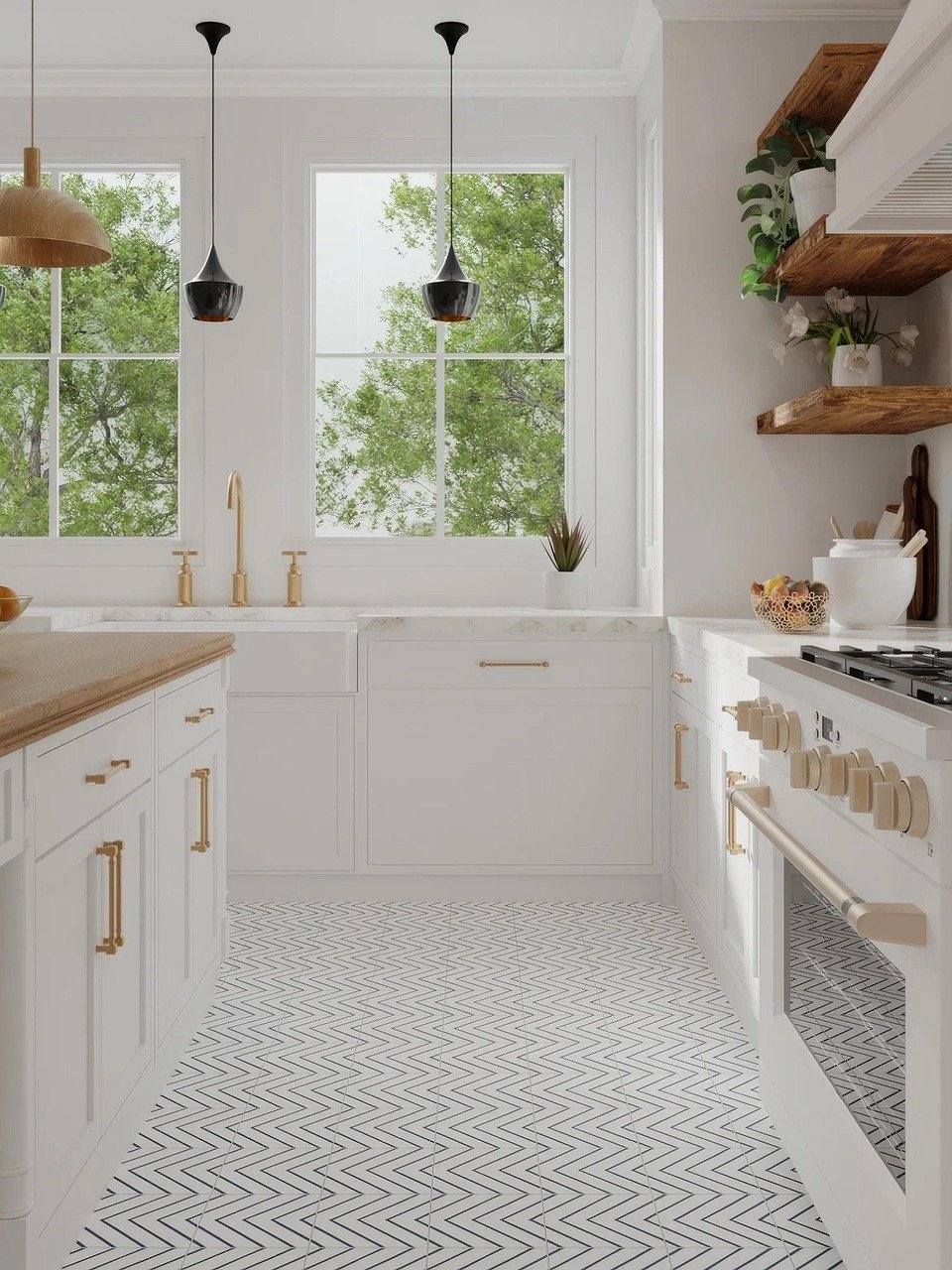
Are you thinking about moving into a new construction home that keeps everything on one level so you can live comfortably now and later?
Looking for a new construction home with all living facilities on one level
This article is written for you if you’re considering a single‑level new construction home, especially as someone 55 or 60 and older who wants simpler, safer, and more comfortable living. You’ll get practical guidance on benefits, pitfalls, costs, and decisions so you can make confident choices from planning through move‑in.
Who this is for
This information is focused on buyers age 55+ (or 60+) who want to downsize, reduce maintenance, or prepare for aging in place without sacrificing comfort and style. You’ll find tips that help you pick a floorplan, a lot, and a builder that match your lifestyle and long‑term needs.
Why one-level living is the #1 choice for many 55+ buyers
One‑level living removes the daily friction of stairs and reduces fall risk, making routines like carrying groceries and getting around easier and safer. You’ll also appreciate simplified maintenance, more usable outdoor access, and floorplans that can be organized to promote privacy and socializing without vertical circulation.
Pros and Cons of buying new construction
You should understand the upsides and the tradeoffs of buying new construction so your expectations match reality and you avoid surprises. The table below highlights common advantages and disadvantages so you can weigh what matters most to you.
| Pros | Why it matters |
|---|---|
| Modern accessibility by design | Builders can include wider doors, curbless showers, and single‑level layouts from the start. |
| Low initial maintenance | New systems, appliances, and materials mean fewer immediate repairs. |
| Energy efficiency | New insulation, windows, and HVAC reduce utility bills and increase comfort. |
| Customization | You can often choose finishes, colors, and some layout tweaks. |
| Builder warranties | Many new homes come with structural and system warranties that ease short‑term risk. |
| Cons | Why it matters |
|---|---|
| Hidden or upgrade costs | Base price can be lower, but options, landscaping, and site work add up quickly. |
| Construction delays | Timelines can slip due to weather, labor, or supply chain issues. |
| Limited negotiation on base price | Some builders set firm base prices and focus negotiations on upgrades or incentives. |
| Community rules or HOA | Covenants may limit certain lifestyle choices or add monthly fees. |
| Less mature landscaping | New yards may need time and money to mature and be private. |
You should weigh these pros and cons against your priorities for mobility, maintenance, style, and long‑term costs before you commit.
Hidden costs to watch for in new construction
Even when a sales brochure shows a polished final house, there are common costs that buyers often overlook. Knowing the typical hidden items and having estimates ready will help you avoid budget surprises.
| Hidden Cost | Typical Range (U.S.) | Why it appears |
|---|---|---|
| Lot premiums | $5,000–$100,000+ | Premium views, corner lots, or larger lots increase the base price. |
| Upgrades (kitchen, flooring, fixtures) | $5,000–$75,000+ | Model homes display upgrades that aren’t included in base price. |
| Landscaping and irrigation | $3,000–$25,000 | Builders often leave yards bare or minimally finished. |
| Grading, drainage, retaining walls | $2,000–$30,000+ | Site work varies with topo and soil; equipment and labor add cost. |
| Window coverings and lighting | $1,500–$10,000 | You’ll need curtains, blinds, and some additional fixtures. |
| Appliance packages | $2,000–$15,000 | Some builders include basic appliances; better models cost more. |
| Utility connections and impact fees | $1,000–$20,000+ | Hookups and municipal fees vary widely by location. |
| Builder warranty items/repairs after move‑in | $500–$10,000 | Punch‑list fixes or warranty issues can require time and minor expenses. |
| HOA fees and setup | $200–$1,000+ annually | New communities often have initial fees and ongoing dues. |
You should request a written estimate of these items from your builder and add a contingency of at least 5–10% for new construction budgets. Having a realistic budget helps you decide which upgrades are essential and which can wait.

Builder incentives that can save you thousands
Builders often have incentives that reduce your out‑of‑pocket cost if you know what to ask for and when to ask. You’ll get the most value when you negotiate on things that don’t increase the builder’s advertised profit margin, like financing, closing cost credits, or upgrade packages.
| Incentive Type | Typical Savings | When to ask |
|---|---|---|
| Closing cost contribution | $1,000–$10,000+ | During contract negotiation or near end of month/quarter. |
| Rate buy‑downs | Varies | When you use the builder’s lender or during interest rate fluctuations. |
| Free upgrades | $2,000–$20,000+ | If inventory model promotions or slow sales occur. |
| Appliance or landscape packages | $1,000–$15,000 | During negotiation or as a move‑in promotion. |
| Builder‑paid home warranty extensions | $500–$2,000 value | To sweeten deals on slower lots or seasons. |
You should compare incentives across builders and evaluate the net benefit rather than the headline discount. For example, a builder offering a credit but using a higher base price may not be a better deal than a lower‑priced builder with fewer incentives.
What to know before choosing a lot
The lot affects daily comfort, maintenance, privacy, and resale more than most buyers realize. You should evaluate orientation, slope, drainage, soil, and neighborhood features before you commit.
Lot orientation and sun exposure
You’ll want to consider how sunlight will enter your living spaces through the day and seasons for comfort, passive heating, and energy use. South‑facing living areas can offer passive warmth while a properly shaded west side helps avoid late afternoon heat.
Topography and slope
The slope of a lot influences construction costs, grading needs, drainage, and visibility of the house. You should expect more site work and potentially retaining walls for steep lots, which raises cost but can also provide views and privacy.
Drainage and flood risk
You’ll want to confirm that the lot has proper drainage and is not in a floodplain or floodway unless you accept additional elevation work and insurance costs. Ask for a FEMA flood map check and any recent site engineering documents.
Soil quality and geotechnical issues
Poor soil or high water tables can increase foundation costs and lead to long‑term settling issues. You should request soil testing or an engineer’s review for lots with visible problems, marshy areas, or a history of issues.
Noise, views, and privacy
Proximity to busy roads, train lines, or future development can dramatically affect noise and resale; conversely, tree buffers or elevation can create privacy and better views. You should walk the lot at several times of day to hear noise, check sightlines, and visualize future structures.
Utility access and easements
Confirm where utilities will connect, where easements run, and what parts of the lot are restricted for building or landscaping. You should verify that road access, driveway placement, and utility coordination match your preferred home footprint.
HOA or community restrictions
Some lots are in communities with covenants, conditions, and restrictions (CC&Rs) that dictate garage styles, paint colors, landscaping, fencing, or accessory structures. You should read the HOA documents to ensure you’re comfortable with the rules and fees.
What to know before choosing a layout
A single‑level layout must balance private and public spaces while meeting mobility, storage, and entertaining needs. You should think about circulation, room adjacencies, and flexibility for future needs.
Bedroom placement and privacy
You’ll want a layout that separates primary suite space from guest or hobby rooms for privacy and noise reduction. Consider a split plan where the primary suite has its private wing, and guest or secondary bedrooms are on the opposite side.
Kitchen layout and accessibility
The kitchen should be arranged to reduce long walks between stove, sink, and refrigerator (the work triangle), while providing clear floor space for mobility aids if needed. You’ll also want counter heights and pull‑out shelves that match how you use the kitchen both now and in the future.
Laundry placement
You should place the laundry near the bedrooms or have a main‑level laundry in the primary suite wing to reduce trips across the house. A mudroom/laundry combination at the garage entry helps contain dirt and provides storage for coats and shoes.
Bathrooms and curbless showers
Bathrooms should be large enough to accommodate mobility aids, with curbless (roll‑in) showers, grab bar reinforcement, and seating options where practical. You’ll also want non‑slip flooring and good sightlines to reduce fall risks.
Open vs. defined spaces
Open layouts provide social connection and easier maneuvering, while defined rooms help reduce echo and provide privacy. You should decide how much openness you want for hosting, light, and acoustic comfort.
Storage and closet planning
Closets, pantry space, and built‑in storage expand functionality and reduce clutter, which is important when downsizing. You’ll want at least a walk‑in closet in the primary suite and a pantry with adjustable shelving.
Outdoor access and thresholds
Direct, level access to patios and gardens from main living spaces makes outdoor living usable and safe. You should ask for low thresholds or recessed sliding doors that limit tripping hazards.
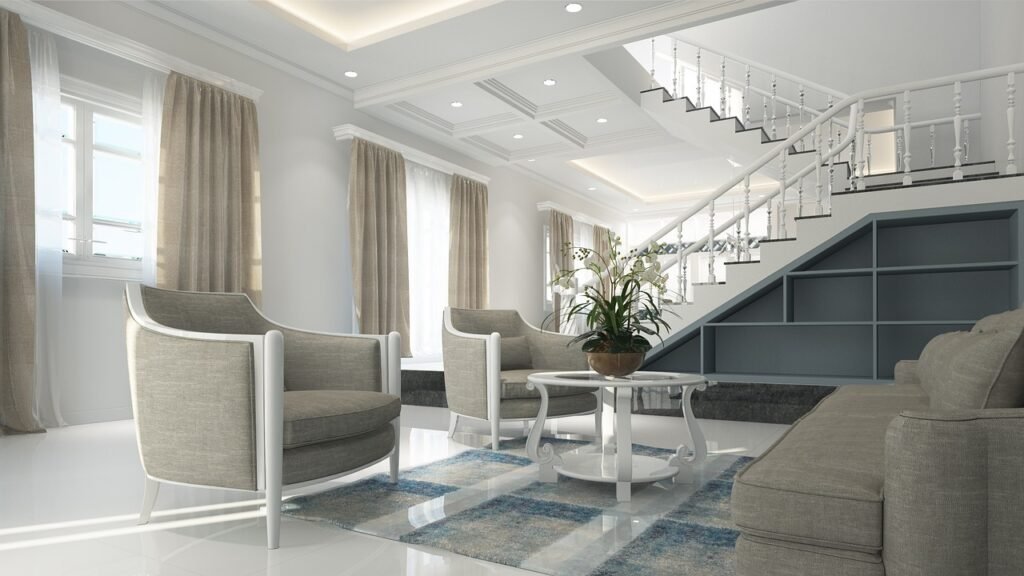
What to know before choosing a builder
Choosing the right builder affects quality, timelines, warranty, and your overall peace of mind. You should interview builders, check references, and review completed homes to assess fit.
Builder interview checklist
You’ll get better results if you use a consistent set of questions when comparing builders. The table below gives core questions that will help you compare responsiveness, transparency, and craftsmanship.
| Question | Why it matters |
|---|---|
| How many years has the builder been in business locally? | Experience with local code, climate, and subcontractors reduces risk. |
| Can I tour completed homes and speak with recent buyers? | Direct feedback and finished product inspections reveal real quality. |
| What is included in the base price and what counts as an upgrade? | Clear scopes prevent surprise costs during selections. |
| What is your typical construction timeline and how are delays handled? | Sets expectations and contingency plans for schedule slips. |
| Which warranties are provided and what do they cover? | Understand short‑term and structural protections. |
| Who will be your point of contact during construction? | Single‑point communication reduces confusion and delays. |
| Do you have in‑house design or selection center? | Ease of selections and potential for custom options depends on process. |
| Can I have an independent inspector at critical milestones? | Third‑party checks catch issues early and protect your interests. |
| What incentives, lender relationships, and closing cost offers exist? | Compare net pricing and financing options effectively. |
You should take notes and compare answers across builders to see who is most aligned with your priorities and who communicates most clearly.
Permits, third‑party inspections, and code compliance
You’ll want a builder who follows permit procedures and allows or welcomes third‑party inspections at framing and pre‑drywall stages. You should insist on documentation of all inspections and approvals to ensure code compliance and long‑term reliability.
How to avoid the most common buyer mistakes
Being aware of typical buyer pitfalls helps you make choices that protect your budget, timeline, and enjoyment. You should focus on clarity, documentation, and realistic expectations.
Mistake: Assuming model home finishes are included
Model homes are designed to sell upgrades; you should verify what’s standard and what’s not. Always get specifications in writing and a line by line list of inclusions.
Mistake: Ignoring site costs
You should account for grading, drainage, utilities, and landscaping before signing a purchase agreement. Ask for a site development budget or add a contingency if site work is unknown.
Mistake: Neglecting to check warranties and exclusions
Warranties vary widely—what appears guaranteed in one contract may be excluded in another. You should read the warranty terms carefully and clarify any ambiguity in writing.
Mistake: Not bringing in an independent inspector
You should hire an independent inspector for critical construction milestones and final walk‑throughs to catch defects the builder might consider minor. Early inspection avoids costly repairs later.
Mistake: Over-improving for the neighborhood
You should avoid selecting finishes or upgrades that exceed the local market, as it may not translate into resale value. Match the home quality to neighborhood standards to protect long‑term investment.
Accessibility and aging-in-place features to look for
A single‑level home is a great start, but specific universal design features make it truly comfortable and safe for aging in place. You should prioritize passive features that don’t require active adaptation.
Door widths and circulation
You’ll want doorways at least 32–36 inches wide and corridors with 36‑48 inches for ease of mobility device access. Circulation planning also includes turning radiuses in kitchens, bathrooms, and entryways.
Curbless showers and bathroom design
Curbless, step‑in showers, grab bar reinforcement, and seating options reduce fall risk and increase independence. You should consider dual sinks and accessible vanity heights to make daily routines easier.
Flooring considerations
Hard, slip‑resistant flooring with minimal thresholds is safer and easier to maintain than high‑pile carpet. You should avoid glossy tiles that become slippery when wet and consider underfloor heating for comfort.
Lever handles and rocker switches
Lever door handles and rocker light switches are easier on arthritic hands and provide simpler operation than traditional knobs and switches. You should also plan for accessible outlets and wall controls at reachable heights.
Stair alternatives and ramp planning
Even single‑level homes can have small steps at entries or patios; you should plan for ramps or graded entries to avoid barriers. Ask that exterior thresholds be flush or that ramp provisions be included in the plan.
Emergency systems and lighting
You should include well‑lit pathways, motion sensors, and easily reachable emergency buttons or systems in the plan. Integrated smart home safety systems can alert caregivers or emergency services if needed.
Energy efficiency, mechanicals, and maintenance
A new home gives you the chance to build efficiency and maintainability into systems so ongoing costs and hassles are lower. You should ask for performance specs, not just marketing claims.
HVAC and zoning
A properly sized, high‑efficiency HVAC system with zoning will improve comfort and reduce energy bills. You should get the Manual J load calculation and understand how zones will be controlled throughout the single‑level plan.
Insulation, windows, and air sealing
You’ll want energy‑efficient windows, continuous insulation, and good air sealing to keep heating/cooling costs down and indoor temperatures stable. Ask for R‑values, U‑factors, and blower door testing results if available.
Water heating and plumbing
Tankless or high‑efficiency tank water heaters reduce energy use, and plumbing layouts that minimize long runs reduce wait times and wasted water. You should also check for accessible shut‑offs and easy access for repairs.
Roofing, gutters, and exterior materials
Durable roofing materials, proper gutter systems, and low‑maintenance siding can save you time and money over the years. You should verify warranty durations and expected lifespans for exterior elements.
Location of mechanicals for serviceability
You’ll want mechanicals—furnace, water heater, electrical panels—to be placed where service workers can access them easily without disrupting daily life. Consider mechanical closets with service access from outside if noise or service access is a concern.
Smart home and automation
Smart thermostats, lighting, and security can make life easier and enhance safety without requiring high technical skill. You should focus on user‑friendly systems and written instructions so technology helps rather than frustrates you.
Financing, timing, and warranties
Understanding financing options, realistic timelines, and warranty coverage will reduce stress during the building process. You should plan for contingencies and select financing that matches construction timing.
Construction financing vs. permanent mortgage
Construction loans often convert to permanent mortgages or require a separate closing; you should compare interest terms and fees carefully. Ask whether the builder requires use of an affiliated lender and whether you can shop rates independently.
Timeline expectations and buffers
Construction timelines can vary widely and are affected by weather, labor, permitting, and supply chain issues. You should build 8–12 weeks of contingency into your schedule to avoid frustration with expected move‑in dates.
Punch list and walk‑throughs
You’ll get the best outcome if you schedule a thorough pre‑closing walk‑through and create a punch list of items to correct. Expect a few minor punch list items and insist that warranty repairs be documented with timelines for completion.
Builder warranties and third‑party coverage
Most builders provide limited warranties on workmanship, materials, and structural elements for varying durations, and you should understand what is covered. You should also consider third‑party home warranty plans for appliances or systems not covered by the builder.
Title, insurance, and homeowner protections
You should secure title insurance and a homeowner’s insurance policy effective on the day you take possession. Check for any lender requirements and for added protections if the community has unique risks like wildfire or flood.
Resale value and future-proofing
Even if you plan to live in your new home indefinitely, you should consider features that support resale value in case circumstances change. You’ll want to balance personal accessibility upgrades with features that broader buyers find attractive.
Features that improve resale
Features like a primary bedroom on the main level, a modern kitchen, energy efficiency, and a neutral exterior palette appeal to a wide range of buyers. You should avoid extremely personalized finishes that limit future buyer interest.
| Feature | Resale benefit |
|---|---|
| Main-level primary suite | Strong appeal to older buyers and families alike |
| Open but flexible living layout | Attracts buyers wanting modern living and adaptability |
| Energy-efficient systems | Lower operating costs increase marketability |
| Low-maintenance landscaping | Reduces buyer worries about upkeep |
| Accessible features (wider doors, curbless shower) | Attractive to baby boomers and multigenerational buyers |
You should plan upgrades that provide functional benefits and broad market appeal rather than niche preferences.
Downsizing and moving tips for 55+/60+
Moving to a smaller single‑level home is an opportunity to simplify possessions and create a home that supports your lifestyle. You should approach downsizing deliberately and with systems that reduce stress.
Start early and sort by function
You’ll reduce stress by starting the sorting process early and using categories like keep, sell, donate, and discard. Approach each room with realistic decisions about what you use daily versus items kept for sentiment.
Measure, plan, and stage
You should measure new rooms and furniture footprints before moving to avoid surprises; staging key pieces in advance helps visualize flow. Consider temporary storage solutions if a few items need extra time to find new homes.
Use professionals for heavy tasks
Professional organizers and movers can speed the process and protect your belongings. You should get written quotes, check references, and confirm insurance for high‑value items.
Technology for easier transitions
Digital inventories, photo records of important items, and an inventory of serial numbers will simplify insurance and warranty matters. You should also set up utilities, mail forwarding, and service transfers ahead of move day.
Keep important documents and a moving binder
You should maintain a folder with warranties, closing documents, manuals, and moving checklists. This will make post‑move tasks and warranty claims easier to handle.
Final checklist before you sign
Before you commit to purchase or sign a construction contract, you should run through a final checklist to confirm expectations and reduce risk. The table below gives a concise series of items you should verify.
| Checklist Item | Action you should take |
|---|---|
| Finalize inclusions list | Get a written scope showing what is included and what is an upgrade. |
| Confirm site costs and allowances | Obtain written estimates for grading, landscaping, and utility fees. |
| Review warranty terms | Read and understand the warranty durations and exclusions. |
| Get schedule and penalty terms | Ask about completion timelines and any liquidated damages or remedies. |
| Arrange independent inspections | Schedule third‑party checks at framing and before closing. |
| Verify financing terms | Confirm construction loan details, conversion, and any builder lender requirements. |
| Check HOA covenants and fees | Read CC&Rs and confirm monthly assessments and special assessments. |
| Ask about future construction nearby | Check planned neighbors, roads, and public infrastructure that could affect value. |
You should not sign until you have these items documented and any unresolved issues are addressed in writing.
Conclusion
If you’re looking for a new construction home with all living facilities on one level, you’re making a smart choice that can improve daily life, accessibility, and long‑term comfort. You should use the guidance here to plan budgets, choose a lot and layout that match your needs, pick a responsive builder, and avoid common mistakes so your new home becomes a safe, comfortable, and enjoyable place for years to come.
If you’d like, you can ask for a customizable checklist based on your preferred region, budget, and desired features so you’ll be ready to compare builders and floorplans with confidence.
